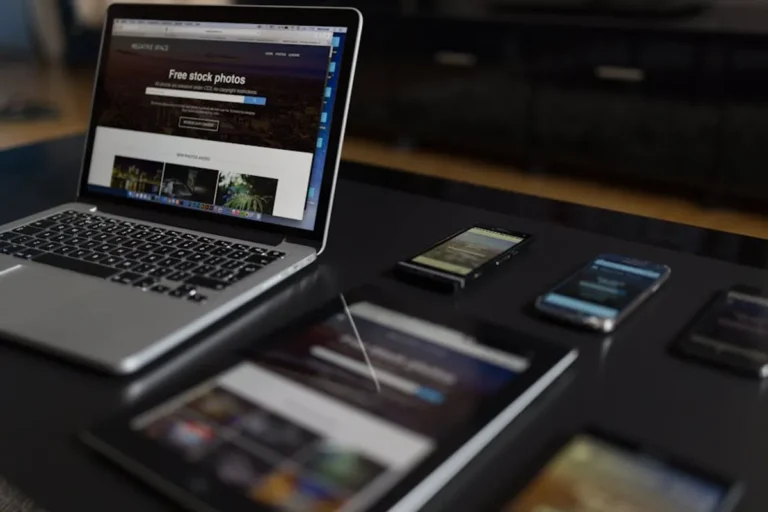

Selecting a website template is a foundational decision for any online presence, directly impacting site performance, user experience, and content delivery. For many SEO professionals, marketers, and site owners, the appeal of a minimalist website template lies in its inherent focus: stripping away non-essential elements to highlight core content and functionality. This approach prioritizes fast load times, intuitive navigation, and a clean aesthetic, all of which contribute to higher engagement rates and improved search engine visibility. The right minimalist template provides a robust, uncluttered framework that allows content to breathe, ensuring visitors can quickly find what they need without distraction. This guide details leading minimalist website templates, examining their specific strengths, ideal applications, and practical considerations for implementation.
Key Characteristics of Effective Minimalist Website Templates
A truly effective minimalist website template is defined by more than just a sparse visual design. It embodies a philosophy of purposeful reduction, where every element serves a clear function. Key characteristics include:
- Optimized Performance: Minimalist templates often feature lean code, fewer scripts, and streamlined assets, resulting in faster page load times. This directly impacts user experience and search engine rankings, as site speed is a critical factor for both.
- Clear Typography and Readability: Emphasis is placed on legible fonts, appropriate line spacing, and sufficient contrast to ensure content is easy to consume. The goal is to make text the primary visual element, not a secondary one.
- Ample White Space: Strategic use of negative space around content, images, and interactive elements reduces cognitive load, guides the user's eye, and enhances the perception of professionalism and clarity.
- Intuitive Navigation: Simple, logical menu structures and clear calls to action ensure users can effortlessly move through the site and accomplish their goals without confusion. Complex or hidden navigation patterns are avoided.
- Responsive Design: A minimalist template must adapt seamlessly to various screen sizes and devices, maintaining its clean aesthetic and functionality across desktops, tablets, and smartphones. This is non-negotiable for modern web standards and mobile-first indexing.
- Focused Content Presentation: The design directs attention to the most important information, avoiding visual clutter that could dilute the message or overwhelm the visitor. Each page element has a reason for being there.
- Scalability and Maintainability: While simple in appearance, the underlying structure should be robust and easy to update. This ensures the site can grow with evolving content needs without compromising its core design principles.
Understanding these characteristics is crucial for evaluating templates, ensuring that the minimalist aesthetic translates into tangible benefits for both users and site administrators.
1. Astra Theme (WordPress)
Astra is a lightweight, highly customizable WordPress theme renowned for its performance-first approach. While not exclusively minimalist out-of-the-box, its lean codebase and extensive customization options make it an ideal foundation for building minimalist websites. It integrates seamlessly with popular page builders like Elementor and Beaver Builder, allowing for precise control over layout, typography, and spacing without introducing unnecessary bloat. Astra's starter templates, many of which adhere to minimalist design principles, provide a quick launch point for various niches, from blogs to portfolios and e-commerce stores. Its modular design means you only load the features you need, contributing to exceptional page speed.
Best for: WordPress users prioritizing performance and deep customization to achieve a minimalist aesthetic across blogs, business sites, and e-commerce.
Pros:
- Exceptional loading speed due to optimized code and minimal resource footprint.
- Extensive customization options for layout, typography, colors, and headers, allowing for precise minimalist design.
- Large library of pre-built starter templates, many with clean, uncluttered designs.
- Seamless integration with leading page builders and WooCommerce.
- Modular architecture allows disabling unused features, further enhancing performance.
Cons:
- Requires some familiarity with WordPress and customization settings to achieve specific minimalist designs from scratch.
- The sheer number of options can be overwhelming for absolute beginners without a clear design vision.
- Reliance on third-party page builders for complex layouts can add another layer of complexity.
Verdict: Astra provides a highly flexible and performant foundation for minimalist WordPress sites, particularly for users who value speed and have a clear design direction or are comfortable with page builders. Its ability to strip down to core essentials makes it a strong contender for clean, fast websites.
2. GeneratePress Theme (WordPress)
GeneratePress is one of the most lightweight and performance-focused WordPress themes available, making it a natural fit for minimalist designs. Its core philosophy centers on speed, stability, and accessibility. The theme itself is under 10KB in size, ensuring extremely fast load times. GeneratePress achieves its minimalist aesthetic through a clean, semantic HTML structure and a focus on essential features. While its free version offers solid foundational elements, the premium version (GeneratePress Premium) unlocks the full power of its Site Library, which includes numerous elegantly simple and performance-optimized starter sites. It integrates well with the WordPress block editor (Gutenberg) and other page builders, providing granular control over every aspect of the site's design.
Best for: WordPress developers and site owners who demand extreme performance, clean code, and a highly customizable environment for minimalist blog, portfolio, or business sites.
Pros:
- Unparalleled speed and lightweight footprint, contributing to high Core Web Vitals scores.
- Clean, semantic code structure that is SEO-friendly and accessible.
- Deep customization options through the Customizer, allowing for precise control over layout, spacing, and typography.
- Excellent integration with the block editor, enabling minimalist content creation.
- Strong focus on stability and security, with regular updates.
Cons:
- The default design is very basic, requiring active customization to achieve a distinctive look.
- Less visual drag-and-drop design compared to themes built around specific page builders, relying more on the Customizer and block editor.
- Premium version is necessary to access the full range of design controls and starter sites.
Verdict: GeneratePress is a top choice for those who prioritize raw performance and a minimalist foundation. Its lean approach ensures a fast, uncluttered user experience, making it ideal for sites where content and speed are paramount.
3. Kadence Theme (WordPress)
Kadence Theme is a modern, feature-rich WordPress theme designed for speed and ease of use, while still allowing for highly minimalist designs. It offers a powerful header and footer builder that simplifies the creation of clean, functional navigation elements without resorting to bloated code. Kadence provides a range of starter templates, many of which embody a minimalist aesthetic, offering a quick setup for various site types. Its deep integration with the WordPress block editor and Kadence Blocks plugin facilitates intuitive content creation and layout design, allowing users to build complex, yet clean, pages directly within the editor. The theme emphasizes performance, ensuring that even feature-rich sites remain fast and responsive.
Best for: WordPress users seeking a balance between powerful customization, ease of use with the block editor, and a commitment to performance for minimalist designs.
Pros:
- Excellent performance metrics, contributing to fast load times.
- Intuitive drag-and-drop header and footer builder for creating clean navigation.
- Strong integration with the WordPress block editor and Kadence Blocks for advanced layout control.
- Good selection of starter templates, including many minimalist options.
- Flexible design options for typography, colors, and layout without being overwhelming.
Cons:
- Some advanced features and premium starter templates are locked behind the Pro version.
- While user-friendly, it still requires some learning curve for those completely new to WordPress theme customization.
- Can be slightly heavier than ultra-lightweight themes like GeneratePress if all features are enabled.
Verdict: Kadence Theme strikes an effective balance, offering robust features and design flexibility without sacrificing performance. It's an excellent option for building professional, minimalist WordPress sites that are both fast and easy to manage, especially for those leveraging the block editor.
4. Neve Theme (WordPress)
Neve is a fast, highly adaptable WordPress theme built with a mobile-first approach and compatibility with AMP (Accelerated Mobile Pages). Its core design philosophy emphasizes speed, clean code, and flexibility, making it an excellent choice for minimalist websites across various niches. Neve offers a wide array of starter sites, many of which feature modern, uncluttered designs that prioritize content and user experience. It integrates seamlessly with popular page builders like Elementor, Beaver Builder, and Gutenberg, providing extensive customization options for layouts, headers, footers, and typography. The theme's focus on performance ensures that minimalist sites built with Neve maintain high speed and responsiveness on all devices.
Best for: WordPress users who need a fast, responsive, and highly customizable theme for minimalist blogs, portfolios, small businesses, and e-commerce, with a strong emphasis on mobile performance.
Pros:
- Exceptional speed and lightweight code, contributing to high performance scores.
- Mobile-first design and AMP compatibility ensure excellent mobile user experience.
- Extensive library of clean, modern starter sites that can be imported with one click.
- Deep integration with major page builders for granular design control.
- Regular updates and strong developer support.
Cons:
- The free version offers good functionality, but many advanced features and premium starter sites require the Pro version.
- Can feel less "barebones" than GeneratePress, potentially requiring more attention to feature selection to maintain extreme minimalism.
- While intuitive, the range of options can still require some time to master for complete beginners.
Verdict: Neve provides a robust and performant platform for minimalist WordPress sites. Its mobile-first design and speed optimizations make it particularly suitable for projects where reaching a broad audience on various devices is critical, all while maintaining a clean aesthetic.
5. Blocksy Theme (WordPress)
Blocksy is a contemporary WordPress theme engineered for speed, extensibility, and deep integration with the Gutenberg block editor. Its clean codebase and performance optimizations make it a strong contender for minimalist website designs. Blocksy offers a powerful set of customization options within the WordPress Customizer, allowing users to control virtually every aspect of their site's appearance, from typography and color palettes to layout structures and header/footer builders. Many of its starter sites are designed with a modern, uncluttered aesthetic, providing an excellent starting point for minimalist projects. Its focus on the block editor means content creation is intuitive and can be designed with a minimalist approach from the ground up.
Best for: WordPress users who want a fast, highly customizable theme that works exceptionally well with the Gutenberg block editor to create minimalist and modern websites.
Pros:
- Outstanding performance and fast load times, optimized for Core Web Vitals.
- Deep and seamless integration with the WordPress block editor for intuitive content and layout design.
- Extensive customization options available directly in the Customizer, offering fine-grained control.
- Modern and clean starter sites, many suitable for minimalist aesthetics.
- Developer-friendly with clean code and good extensibility.
Cons:
- Some advanced features and hooks are reserved for the Pro version.
- While user-friendly, leveraging its full power requires some familiarity with the Customizer and block editor.
- Less emphasis on traditional page builder integration if that is a primary workflow.
Verdict: Blocksy stands out for its strong performance and deep integration with the block editor, offering a powerful yet streamlined experience for building minimalist WordPress sites. It's an excellent choice for those who want to embrace the future of WordPress content creation with a focus on speed and clean design.
6. Hello Elementor Theme (WordPress)
Hello Elementor is a barebones, lightweight WordPress theme specifically designed to be used in conjunction with the Elementor page builder. It provides a clean slate, essentially no styling or features beyond the absolute necessities, allowing Elementor to take full control of the design. This makes it an ideal choice for building highly custom, minimalist websites where every design element is precisely controlled through the page builder. Since it adds virtually no overhead, Hello Elementor contributes to extremely fast loading times, which is critical for performance-focused minimalist sites. Users can construct entire layouts, from headers to footers, with Elementor, ensuring a consistent and uncluttered design language across the entire site.
Best for: WordPress users heavily invested in the Elementor page builder who want a completely blank canvas to design minimalist sites from scratch, prioritizing performance and design freedom.
Pros:
- Extremely lightweight and fast, contributing to excellent page performance.
- Provides a true blank canvas, allowing Elementor to dictate all design aspects.
- Ensures maximum compatibility and seamless integration with Elementor's features.
- Ideal for designers and developers who prefer to build every element from the ground up.
- Free to use, making it cost-effective for custom builds.
Cons:
- Requires Elementor Pro for many advanced design features, including custom headers and footers.
- Offers no styling or functionality on its own; not suitable for users who prefer pre-designed elements.
- Steeper learning curve for those unfamiliar with Elementor's extensive capabilities.
Verdict: Hello Elementor is the ultimate minimalist foundation for Elementor users. It's not a template in the traditional sense but a framework that empowers complete design control, ensuring that every pixel on a minimalist site serves a deliberate purpose and loads quickly.
7. Squarespace's Core Templates
Squarespace is a website builder platform renowned for its aesthetically pleasing and inherently minimalist templates. The platform's design philosophy centers on clean layouts, professional photography, and intuitive user experiences, making it a go-to for portfolios, small businesses, and creative professionals. Squarespace's templates, such as 'Clune,' 'Rally,' or 'Montauk,' are designed with ample white space, clear typography, and streamlined navigation, requiring minimal customization to achieve a polished, uncluttered look. The platform handles all hosting, security, and updates, allowing users to focus purely on content and design within its structured environment. This curated approach ensures a consistent level of quality and performance across all sites built on the platform.
Best for: Creative professionals, artists, small businesses, and individuals who prioritize elegant, minimalist design with minimal technical overhead, leveraging a fully managed platform.
Pros:
- Built-in minimalist design aesthetic across its entire template library.
- Fully managed platform (hosting, security, updates) simplifies site ownership.
- Intuitive drag-and-drop editor for easy content and layout adjustments.
- High-quality, responsive designs that look professional on all devices.
- Integrated e-commerce, blogging, and portfolio features.
Cons:
- Less design flexibility compared to self-hosted solutions or platforms like Webflow.
- Limited access to underlying code, restricting highly custom functionality.
- Monthly subscription costs can be higher than basic shared hosting for WordPress.
Verdict: Squarespace excels at delivering beautiful, minimalist websites with a focus on visual content and ease of use. It's an ideal choice for users who want a premium, clean design without the complexities of managing a self-hosted platform, providing a streamlined path to a professional online presence.
8. Webflow's 'Minimal' Template
Webflow is a powerful visual development platform that allows designers to build custom, responsive websites without writing code. Its 'Minimal' template, and many others in its library, exemplify the platform's capability to produce clean, high-performance designs. Webflow provides granular control over CSS properties, animations, and interactions, enabling designers to meticulously craft every aspect of a minimalist site. This level of control ensures that only necessary elements are included, maintaining a lean and efficient structure. The platform also offers robust CMS capabilities and e-commerce functionality, all while generating clean, semantic code that is optimized for search engines. Webflow's strength lies in its ability to translate precise design visions into functional, fast-loading websites.
Best for: Professional designers, agencies, and developers who need pixel-perfect control to build custom, high-performance minimalist websites with integrated CMS and e-commerce capabilities.
Pros:
- Unparalleled design freedom and visual control over every element, ideal for bespoke minimalist designs.
- Generates clean, semantic HTML, CSS, and JavaScript, optimizing for performance and SEO.
- Robust CMS for managing dynamic content within a minimalist structure.
- Integrated e-commerce functionality for clean online stores.
- Excellent hosting infrastructure ensures fast load times.
Cons:
- Steep learning curve for those new to visual development or web design principles.
- Can be more expensive than basic website builders or shared hosting.
- Requires a deeper understanding of web design concepts to leverage its full potential.
Verdict: Webflow's 'Minimal' template, and its platform in general, empowers designers to create truly custom, high-performance minimalist websites. It's the choice for those who demand ultimate control over design and functionality, ensuring a precise and optimized digital experience.
9. Shopify's 'Dawn' Theme
Shopify's 'Dawn' theme is the default free theme for the Shopify e-commerce platform, specifically designed with a minimalist aesthetic to prioritize product presentation and fast performance. It emphasizes large images, clear typography, and a streamlined checkout process, reducing visual clutter to focus customer attention on products. 'Dawn' is built to be highly performant, ensuring quick load times, which is crucial for reducing bounce rates in e-commerce. Its flexible sections and blocks allow merchants to customize page layouts without extensive coding, maintaining a clean and professional look. The theme is fully responsive, providing a consistent and intuitive shopping experience across all devices, directly supporting conversion goals.
Best for: E-commerce businesses using Shopify who want a fast, clean, and product-focused online store with minimal design distractions.
Pros:
- Optimized for speed and performance, directly impacting