
Selecting the right portfolio template is a critical decision for professionals across creative, technical, and service industries. Your online portfolio functions as a primary commercial asset, directly influencing client acquisition, job opportunities, and professional credibility. It must effectively showcase your work, articulate your value proposition, and provide a seamless user experience. The market offers a vast array of templates, ranging from minimalist designs to feature-rich platforms, each with distinct advantages and limitations. The objective is to identify a template that not only aligns with your aesthetic preferences but also supports your specific professional goals, technical requirements, and budget constraints without compromising on performance or scalability.
What to Look For in a Portfolio Template
A portfolio template is more than just a visual skin; it's the structural foundation of your professional online presence. Evaluating templates requires attention to several key functional and commercial attributes:
Customization and Brand Alignment
The template should offer sufficient flexibility to reflect your unique brand identity. Look for options to adjust color schemes, typography, layout elements, and content modules without requiring extensive coding. A highly customizable template allows you to differentiate your portfolio from others using the same base design, ensuring your professional voice is consistently communicated.
Responsiveness and Performance
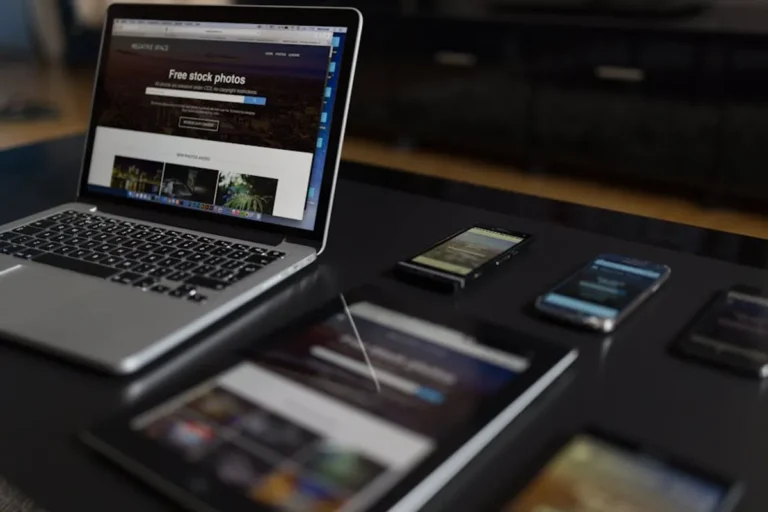
Mobile responsiveness is non-negotiable. Your portfolio must render flawlessly across desktops, tablets, and smartphones to accommodate diverse user access points. Beyond responsiveness, evaluate the template's underlying code for efficiency. Fast loading times are crucial for user experience and search engine ranking, directly impacting visibility and visitor retention. Tools like Google PageSpeed Insights can offer preliminary performance indicators.
Ease of Use and Builder Interface
Consider the learning curve associated with the template's content management system (CMS) or page builder. Drag-and-drop interfaces, intuitive navigation, and clear documentation reduce the time and effort required to build and maintain your portfolio. This is particularly important for professionals who prioritize content creation over technical development.
Integration Capabilities
Assess the template's ability to integrate with essential third-party services. This includes social media feeds, contact forms, analytics platforms (e.g., Google Analytics), and, for certain professions, e-commerce functionalities, booking systems, or project management tools. Seamless integration streamlines workflows and enhances the overall functionality of your portfolio.
SEO Friendliness
A commercially viable portfolio needs to be discoverable. Examine whether the template supports fundamental SEO practices: clean HTML structure, customizable meta titles and descriptions, schema markup compatibility, and fast loading speeds. The ability to create SEO-friendly URLs and integrate with analytics tools provides essential data for performance optimization.
Scalability and Future-Proofing
Your professional needs may evolve. A robust template should accommodate future growth, whether that involves adding new project categories, expanding content types (e.g., video, interactive elements), or integrating advanced functionalities. Proprietary platforms may offer ease of use but can limit migration options, while open-source solutions provide greater long-term flexibility.
1. Squarespace
Squarespace offers an integrated website builder specifically designed for visual professionals seeking an elegant, all-in-one solution. Its templates are known for their clean aesthetics, strong typographic control, and robust image/video gallery options, making it a frequent choice for designers, photographers, and artists. The platform handles hosting, security, and updates, providing a managed environment.
Best For: Creative professionals, artists, photographers, and small businesses prioritizing design aesthetics and ease of management without coding.
Pros:
- High-quality, modern design templates with strong visual appeal.
- Integrated hosting, domain registration, and SSL certificates simplify setup.
- Intuitive drag-and-drop editor allows for significant layout customization.
- Built-in e-commerce functionality for selling products or services directly.
- Robust mobile responsiveness ensures consistent presentation across devices.
Cons:
- Customization can be limited to the template's framework, restricting unique design elements.
- Pricing structure is subscription-based, which can become a long-term cost.
- Data portability can be challenging if migrating to another platform later.
- Advanced SEO options require manual configuration and understanding.
Verdict: Squarespace provides a streamlined, visually-driven experience ideal for those who value polished design and minimal technical overhead, though its proprietary nature may limit deep customization or future platform transitions.
2. Wix
Wix provides a versatile website builder with a vast library of templates, catering to a broad spectrum of users from small businesses to individual professionals. Its strength lies in its "Editor X" and traditional editor, offering varying degrees of design freedom. Wix emphasizes ease of use, allowing users to build and manage their sites with drag-and-drop functionality and extensive app integrations.
Best For: Freelancers, small businesses, and individuals needing a highly customizable website with extensive features and app integrations, without coding expertise.
Pros:
- Extensive template library covering numerous industries and styles.
- Highly flexible drag-and-drop editor allows pixel-perfect design control.
- Wix App Market offers numerous integrations for extended functionality (e.g., booking, forums, analytics).
- Built-in SEO tools and guides assist with basic optimization.
- Free tier available for testing, though with Wix branding and limited features.
Cons:
- The sheer number of options can be overwhelming for new users.
- Switching templates after initial selection is not straightforward; often requires starting over.
- Performance can sometimes be slower compared to more lightweight platforms due to script heavy pages.
- Proprietary platform limits full data export and migration to other CMS systems.
Verdict: Wix offers unparalleled design freedom and feature breadth for non-coders, making it a strong choice for those who need a custom look and diverse functionalities, but its complexity can be a hurdle for some, and performance requires attention.
3. Adobe Portfolio
Adobe Portfolio is a specialized platform included with Adobe Creative Cloud subscriptions, designed specifically for showcasing creative work. It offers a focused set of templates optimized for visual content, allowing users to quickly assemble and publish projects from Behance or other sources. Its direct integration with Adobe products streamlines the workflow for designers, photographers, and illustrators already within the Adobe ecosystem.
Best For: Adobe Creative Cloud subscribers, visual artists, designers, and photographers who need a quick, professional way to display their work with minimal setup.
Pros:
- Included with Creative Cloud subscription, offering significant value for existing users.
- Seamless integration with Behance and other Adobe applications for content import.
- Templates are clean, modern, and optimized for visual presentation.
- Allows for custom domain names and basic password protection.
- Minimal setup and maintenance required, focusing on content creation.
Cons:
- Limited customization options outside of pre-defined template structures.
- Requires an active Adobe Creative Cloud subscription.
- Lacks advanced features like e-commerce or extensive blogging capabilities.
- SEO tools are basic, requiring manual attention to meta data.
Verdict: An excellent, cost-effective solution for Creative Cloud users seeking a fast, elegant, and professional online portfolio without needing complex website features or extensive customization.
4. Webflow
Webflow functions as a visual development platform, bridging the gap between design and code. It provides designers with granular control over HTML, CSS, and JavaScript without writing code manually, allowing for highly custom and responsive portfolio designs. Its templates serve as sophisticated starting points that can be extensively modified, making it a powerful tool for those with a strong design vision and technical understanding.
Best For: Web designers, agencies, and developers who require pixel-perfect control, custom animations, and responsive design without traditional coding, or those building client portfolios.
Pros:
- Unparalleled design freedom and visual control over every element.
- Generates clean, semantic HTML, CSS, and JavaScript, beneficial for performance and SEO.
- Integrated CMS for dynamic content, ideal for case studies and blog posts.
- Robust animation and interaction capabilities enhance user experience.
- Excellent hosting infrastructure with fast loading times.
Cons:
- Steep learning curve for users unfamiliar with web design principles or visual development.
- Pricing can be higher than traditional website builders, especially for advanced features or hosting.
- Not ideal for users who prefer a simple, template-driven "set it and forget it" approach.
- Requires a deeper understanding of web structure to maximize its potential.
Verdict: Webflow is the platform for designers who want total control over their portfolio's appearance and functionality, offering a powerful visual development environment that produces high-quality, performant websites for those willing to invest the learning time.
5. WordPress with Elementor Pro
WordPress, combined with a page builder like Elementor Pro, offers a highly flexible and scalable solution for portfolio creation. Elementor Pro extends WordPress's capabilities with a visual drag-and-drop editor, theme builder, and extensive widget library. This combination allows for custom designs and dynamic content management, suitable for complex portfolios that may also include blogging, e-commerce, or membership functionalities.
Best For: Professionals needing maximum flexibility, scalability, and ownership over their website, willing to manage their own hosting and updates, or those planning to integrate extensive content beyond a simple portfolio.
Pros:
- Unrivaled flexibility and extensibility through plugins and custom code.
- Elementor Pro offers a powerful visual builder for custom layouts and designs.
- Full data ownership and portability, not tied to a proprietary platform.
- Vast community support and extensive resources available.
- Cost-effective for self-hosting, with numerous free and premium themes/plugins.
Cons:
- Requires self-management of hosting, security, and updates, increasing technical overhead.
- Can be prone to performance issues if not optimized correctly (e.g., too many plugins).
- Initial setup and configuration can be more complex than all-in-one builders.
- Security requires proactive management and regular updates.
Verdict: WordPress with Elementor Pro is a robust, future-proof choice for professionals who need complete control, extensive customization, and scalability, provided they are comfortable with managing the technical aspects of their site.
6. Readymag
Readymag is a design tool for creating interactive web publications, presentations, and portfolios. It stands out with its grid-based editor and emphasis on motion, animation, and unique layouts, allowing for highly distinctive and dynamic portfolio experiences. It targets designers and agencies who want to push creative boundaries beyond traditional static web pages.
Best For: Experimental designers, digital artists, and agencies looking to create highly interactive, visually rich, and unconventional portfolios with custom animations and layouts.
Pros:
- Exceptional creative freedom for interactive and animated designs.
- Grid-based editor provides precise control over element placement.
- Optimized for creating visually immersive storytelling experiences.
- No coding required for complex animations and interactions.
- Supports custom fonts and high-resolution media.
Cons:
- Can be overkill for a simple, straightforward portfolio.
- Learning curve for mastering its unique design interface.
- Pricing is subscription-based and can be higher than basic builders.
- SEO capabilities are present but require careful manual configuration due to dynamic content.
Verdict: Readymag is an excellent platform for those who prioritize innovative design and interactivity, offering the tools to create a truly memorable portfolio that stands apart, though it's best suited for projects where visual storytelling is paramount.
7. Semplice
Semplice is a premium WordPress theme and content editor specifically built for designers, by designers. It integrates seamlessly with WordPress, providing a highly customized visual editor that allows for intricate layouts, custom grids, and precise control over typography and imagery. Semplice focuses on showcasing creative work with a strong emphasis on detail and unique presentation.
Best For: Professional designers and creative agencies using WordPress who demand pixel-perfect control, custom grid systems, and a highly curated presentation of their work.
Pros:
- Tailored specifically for creative professionals, with design-centric features.
- Advanced layout and grid system for precise control over content placement.
- One-time purchase model for the core theme (requires WordPress hosting).
- Robust integration with WordPress's flexibility and plugin ecosystem.
- Allows for highly unique and branded portfolio experiences.
Cons:
- Requires a WordPress installation and self-management of hosting.
- Steeper learning curve than simpler drag-and-drop builders due to its advanced features.
- Support is tied to the Semplice team, rather than a broad community.
- Not ideal for users seeking a quick, template-only solution without deeper customization.
Verdict: Semplice is a powerful investment for WordPress-savvy designers who prioritize complete creative control and a distinctive online presence, offering a sophisticated toolset to craft a bespoke portfolio.
8. Carbonmade
Carbonmade is a straightforward portfolio builder focused on simplicity and speed for creative professionals. It offers a clean interface and a selection of modern, minimalist templates designed to put the spotlight directly on the work. Carbonmade handles all hosting and technical aspects, allowing users to concentrate solely on uploading and organizing their projects.
Best For: Artists, illustrators, and designers who need a fast, hassle-free way to create a clean, image-focused portfolio without extensive customization options or advanced features.
Pros:
- Extremely easy to use, with a minimal learning curve for quick setup.
- Clean, professional templates that prioritize visual content.
- All-in-one solution including hosting and domain connection.
- Supports a variety of media types, including images, video, and audio.
- Affordable subscription model for basic portfolio needs.
Cons:
- Limited customization options compared to more robust builders.
- Lacks advanced features like e-commerce, blogging, or complex contact forms.
- Primarily focused on visual projects, less suitable for text-heavy portfolios.
- Proprietary platform restricts full data export and migration.
Verdict: Carbonmade is an effective solution for creatives seeking a no-frills, fast, and visually direct portfolio builder, ideal for those who value simplicity and a clean presentation above extensive features or deep customization.
9. Format
Format is a portfolio platform tailored for photographers and visual artists, offering sleek, professional templates designed to showcase high-resolution imagery. It provides features specifically relevant to visual creatives, such as client proofing, online store capabilities, and integrated blogging. Format emphasizes a seamless workflow from photo upload to client delivery.
Best For: Professional photographers, visual artists, and illustrators requiring high-quality image display, client proofing tools, and e-commerce functionality for selling prints or services.
Pros:
- Templates optimized for large, high-resolution images and video.
- Integrated client proofing and private galleries for secure sharing.
- Built-in e-commerce for selling prints, services, and digital products.
- Responsive design ensures portfolios look good on any device.
- Easy to use interface with a focus on visual content management.
Cons:
- Primarily focused on visual media, less suited for diverse content types.
- Subscription-based pricing model.
- Customization options are within the template's framework, not entirely freeform.
- SEO tools are present but require manual attention for optimal performance.
Verdict: Format excels for photographers and visual artists who need a specialized platform to display and monetize their work with professional-grade tools, offering a robust solution for managing their entire visual workflow.
10. Pixpa
Pixpa is an all-in-one platform designed for creatives to build portfolio websites, online stores, and client galleries. It offers a range of modern, responsive templates and a drag-and-drop builder, making it accessible for users without coding knowledge. Pixpa aims to provide a comprehensive solution for managing a creative business online, encompassing showcasing, selling, and client interaction.
Best For: Photographers, artists, and designers who need an integrated solution for their portfolio, online store, and client management, seeking a balance between ease of use and comprehensive features.
Pros:
- All-in-one platform for portfolios, e-commerce, and client proofing.
- Intuitive drag-and-drop builder with a variety of responsive templates.
- Affordable pricing plans compared to some competitors.
- Integrated blogging functionality to support content marketing.
- Good support for various media types, including high-res images and videos.
Cons:
- Customization, while flexible, is still template-bound.
- May not offer the same depth of features in each area (e.g., e-commerce) as dedicated platforms.
- Some users might find the interface less polished than Squarespace or Format.
- Performance depends on template choice and media optimization.
Verdict: Pixpa offers a strong value proposition for creatives looking for a single platform to manage their online presence, combining portfolio display with essential business tools in an accessible package.
11. Dribbble (Projects)
While primarily a social network for designers to share work, Dribbble's "Projects" feature allows users to create more structured, multi-shot presentations of their work, functioning as a lightweight portfolio. It leverages Dribbble's massive audience for discovery and feedback, making it a valuable adjunct to a primary portfolio website, particularly for UI/UX and graphic designers.
Best For: UI/UX designers, graphic designers, and illustrators seeking broad exposure for individual projects and quick feedback from a design-centric community; best used as a supplement to a full portfolio site.
Pros:
- Immense visibility within the design community, leading to discovery and networking.
- Easy to upload and showcase individual projects or case studies.
- Provides social proof through likes, comments, and followers.
- Free to use for basic profiles, with Pro features for more advanced options.
- Excellent for showcasing process work and getting peer critique.
Cons:
- Not a standalone website builder; lacks custom domain support or full site control.
- Limited in terms of overall branding and personalized user experience.
- Primarily focuses on visual "shots," less suitable for text-heavy case studies or long-form content.
- Reliance on the platform's algorithm for visibility.
Verdict: Dribbble is indispensable for designers seeking community engagement and project exposure, serving as an effective public gallery and networking tool rather than a comprehensive, independent portfolio website.
12. Behance
Behance, owned by Adobe, is a leading online platform for creative professionals to showcase and discover creative work. It allows users to create detailed project pages with rich media, serving as a robust online portfolio. Its integration with Adobe Creative Cloud and its large, active community make it a significant platform for discovery and recruitment in creative fields.
Best For: All types of creative professionals, especially those using Adobe products, who want a broad audience for their work, opportunities for discovery, and a platform for detailed project case studies.
Pros:
- Massive global audience for creative work, facilitating discovery by clients and recruiters.
- Free to use for creating comprehensive project pages with extensive media support.
- Seamless integration with Adobe Creative Cloud for publishing projects.
- Allows for detailed project descriptions, process breakdowns, and image galleries.
- Strong community features for feedback and networking.
Cons:
- Not a custom website builder; lacks custom domain and full branding control.
- Reliance on the platform'