
In the dynamic landscape of digital marketing, design trends emerge and recede with remarkable speed. For business websites, investing in design elements that offer enduring commercial value, rather than chasing every fleeting aesthetic, is crucial. The objective is to select design principles that not only look contemporary but also actively contribute to user experience, conversion rates, and long-term brand perception. This requires a discerning eye, focusing on trends that have evolved into established best practices due to their proven effectiveness in meeting user needs and business objectives.
Prioritizing Responsive and Mobile-First Design
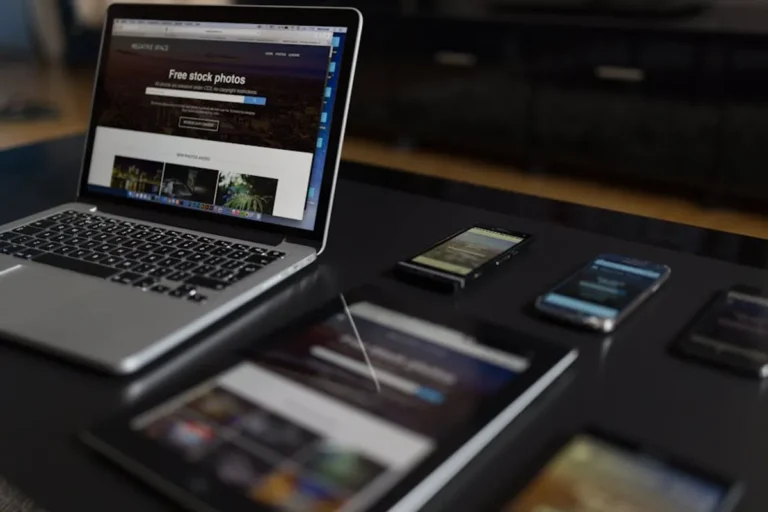
Responsive design is no longer a trend; it is a fundamental requirement for any business website. Its enduring utility stems from the fragmented nature of internet access across devices, from desktops to tablets and smartphones. A responsive site fluidly adapts its layout and content to the screen size, ensuring a consistent and optimal viewing experience regardless of the device. This directly impacts user engagement and conversion rates, as users are less likely to abandon a site that functions well on their preferred device.
Mobile-First Indexing and Performance
The mobile-first approach, where design and development begin with the smallest screen, is particularly critical. Search engines predominantly use the mobile version of content for indexing and ranking. A site designed with mobile constraints in mind naturally performs better on these devices, translating into faster load times and improved core web vitals. These technical advantages are not just about user satisfaction; they are direct ranking factors that influence organic visibility.
Clarity Through Visual Hierarchy and White Space
Effective visual hierarchy guides user attention to the most important elements on a page, aligning with business goals such as product discovery, lead generation, or content consumption. This is achieved through strategic use of size, color, contrast, and placement. Websites that successfully implement visual hierarchy make it intuitive for users to understand the page's purpose and identify calls to action, reducing cognitive load and improving conversion pathways.
The Commercial Value of White Space
White space, or negative space, is often underestimated but remains a powerful design tool. It is not merely empty space; it provides breathing room, reduces clutter, and enhances readability. For business websites, judicious use of white space can make complex information digestible, highlight key messaging, and draw focus to conversion elements. This improved clarity directly contributes to a more professional brand image and a more efficient user journey.
Impactful Visuals: Imagery, Video, and Typography
High-quality visuals are essential for conveying brand identity, building trust, and engaging users emotionally. Stock photos often fall short, appearing generic and failing to differentiate a business. Custom, professional photography and videography, conversely, communicate authenticity and attention to detail. These elements are particularly effective for showcasing products, demonstrating services, and telling a brand story.
Strategic Typography for Brand Voice
Typography, the style and appearance of text, plays a significant role in establishing brand voice and improving readability. Consistent use of well-chosen fonts can reinforce brand identity and make content more accessible. For business websites, legibility is paramount; intricate or overly stylized fonts can hinder comprehension, leading to user frustration and decreased engagement. The most effective typography balances aesthetic appeal with functional clarity.
Accessibility as a Core Design Principle
Designing for accessibility ensures that a website is usable by people with diverse abilities. This includes individuals with visual, auditory, motor, or cognitive impairments. Beyond the ethical imperative, accessibility offers tangible commercial benefits:
- Expanded Audience Reach: Making a site accessible opens it up to a larger demographic, including an estimated 15% of the global population with disabilities.
- Improved SEO: Many accessibility best practices, such as semantic HTML, alt text for images, and clear content structure, align directly with search engine optimization guidelines.
- Enhanced User Experience for All: Features designed for accessibility, like clear navigation and high contrast, often benefit all users.
- Reduced Legal Risk: Compliance with standards like WCAG (Web Content Accessibility Guidelines) mitigates potential legal challenges related to digital discrimination.
Pro Tip: When evaluating design trends, ask how each element directly supports a measurable business objective—be it increased conversions, reduced bounce rates, or improved brand recall. If a trend primarily serves aesthetic novelty without clear functional benefit, it is likely a fleeting fad rather than a sustainable investment.
Microinteractions and User Feedback
Microinteractions are small, single-purpose animations or visual cues that provide immediate feedback to users. Examples include a button changing color on hover, a loading spinner, or a confirmation message after a form submission. While subtle, these interactions significantly enhance the user experience by:
- Confirming actions: Reassuring users that their input was received.
- Communicating status: Indicating that a process is underway.
- Preventing errors: Guiding users through forms or complex tasks.
- Adding delight: Creating a more engaging and memorable interaction.
For business websites, well-designed microinteractions reduce user frustration, improve perceived responsiveness, and can subtly encourage continued engagement, directly impacting user satisfaction and conversion funnels.
Strategic Design for Business Impact
The design trends that truly work for business websites are those that have transcended mere aesthetics to become foundational elements of effective digital communication. By focusing on responsive layouts, clear visual hierarchy, compelling visuals, robust accessibility, and thoughtful microinteractions, businesses can build digital presences that are not only visually appealing but also highly functional, user-centric, and commercially potent. These are not just design choices; they are strategic investments that yield measurable returns in user engagement, brand loyalty, and conversion rates.
FAQ
How often should a business website redesign?
A full redesign typically occurs every 3-5 years, but continuous optimization and iterative updates based on user feedback and performance data are more effective than infrequent, large-scale overhauls. Focus on incremental improvements to maintain relevance.
Are minimalist designs always best for business websites?
Minimalist design, characterized by simplicity and focus, can be highly effective for business websites by enhancing clarity and guiding user attention. However, its suitability depends on the brand, industry, and target audience; a rich, content-heavy site might benefit from a different approach.
How does website design impact SEO?
Website design directly influences SEO through factors like mobile-friendliness, page load speed, crawlability, user experience signals (e.g., bounce rate, time on page), and accessibility. A well-designed site with clear structure and content hierarchy is more easily indexed and ranked by search engines.
What is the most important design element for conversions?
While all elements contribute, a clear and prominent call-to-action (CTA) is arguably the most critical for conversions. It must be visually distinct, concisely worded, and strategically placed within a user-friendly journey that builds trust and value proposition.