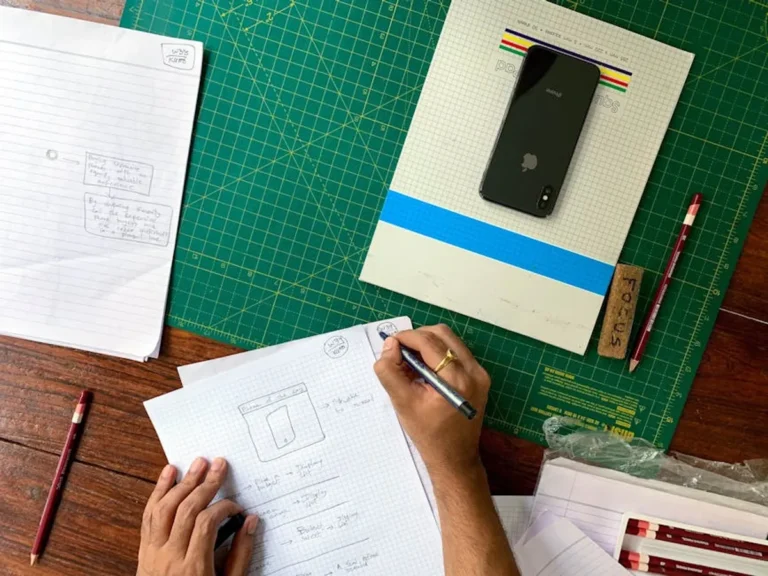

For UI designers, the pursuit of efficiency and design consistency is constant. Free Sketch templates offer a strategic advantage, providing pre-built components, layouts, and entire design systems that can accelerate project timelines and maintain brand cohesion. The decision to integrate these resources into a workflow isn't about cutting corners; it's about smart resource allocation, allowing designers to focus on complex problem-solving and unique creative challenges rather than repetitive foundational work.
Strategic Advantages of Free Sketch Templates in UI Design
Integrating free Sketch templates into a UI design workflow delivers tangible benefits beyond mere cost savings. These resources serve as foundational building blocks, fostering a more streamlined and professional design process.
- Accelerated Prototyping: Templates provide ready-made screens and components, significantly reducing the time required to build initial prototypes. This allows for quicker iteration and feedback cycles, essential in agile development environments.
- Ensured Design Consistency: A well-structured template promotes uniformity across an entire project. By using pre-defined styles, fonts, and component states, designers can ensure a consistent user experience, critical for brand recognition and usability.
- Learning and Best Practices: Analyzing professional-grade free templates offers insights into effective layer organization, naming conventions, and component structuring. This can be particularly valuable for emerging designers looking to refine their craft.
- Focus on Core Innovation: With routine UI elements handled by templates, designers can allocate more time to tackling unique user experience challenges, complex interactions, and innovative design solutions that truly differentiate a product.
- Reduced Error Potential: Reusing tested components from templates minimizes the likelihood of introducing new design inconsistencies or accessibility issues, leading to a more robust final product.
Selecting High-Value Free Sketch Templates
Not all free templates are created equal. Discerning designers prioritize specific attributes to ensure the chosen resources genuinely enhance their workflow and project quality.
Prioritizing Organization and Structure
The internal organization of a Sketch template directly impacts its usability. Look for templates with:
- Logical Layer Naming: Layers should be clearly labeled and grouped, making it easy to navigate complex designs.
- Component-Based Architecture: Templates built with Sketch Symbols and Libraries are highly desirable, allowing for global changes and efficient management of design elements.
- Well-Defined Styles: Text styles, color palettes, and layer styles should be consistently applied and easily modifiable, facilitating quick branding adjustments.
Best for: Teams requiring scalable design systems and individual designers aiming for long-term project maintainability.
Understanding Licensing and Usage Rights
Before integrating any free template, verify its licensing terms. Many templates are offered under permissive licenses, but some may have restrictions on commercial use, modification, or attribution. Ensure the license aligns with your project's needs to avoid potential legal complications down the line.
Pro Tip: Always download templates from reputable sources that clearly state their licensing terms. If the license is ambiguous, consider an alternative or contact the creator for clarification. Documenting license agreements for all assets used in a project is a sound professional practice.
Adaptability and Customization Potential
A template should serve as a starting point, not a rigid constraint. Evaluate its flexibility:
- Scalable Vector Graphics: Ensure all elements are vector-based for crisp rendering at any size.
- Editable Text and Shapes: The ability to easily modify text content, fonts, and shape properties is fundamental.
- Responsive Design Principles: For web or multi-device UIs, templates that incorporate responsive layouts or adaptable components offer significant value.
Best for: Projects with evolving requirements or unique branding guidelines that necessitate significant modification.
Essential Categories of Free Sketch Templates
Different project types benefit from specialized templates. Understanding these categories helps designers select the most appropriate resources.
Wireframing and Flow Kits
These templates focus on low-fidelity elements, providing basic shapes, placeholders, and common UI patterns for rapid conceptualization. They are instrumental in mapping out user flows and screen hierarchies before diving into detailed visual design.
Benefits: Facilitates early stakeholder feedback, quickly validates fundamental user journeys, and maintains focus on functionality over aesthetics in the initial stages.
Comprehensive UI Component Libraries
These kits offer a robust collection of high-fidelity UI elements, such as buttons, forms, navigation bars, cards, and modals. They often adhere to established design systems like Material Design or Apple's Human Interface Guidelines.
Benefits: Ensures consistency with platform-specific design languages, accelerates the creation of detailed mockups, and provides a rich inventory of reusable, production-ready components.
Mobile Application UI Kits (iOS & Android)
Specifically tailored for smartphone and tablet interfaces, these templates include screens, components, and interactions optimized for mobile platforms. They often incorporate device frames, status bars, and platform-specific navigation patterns.
Benefits: Streamlines the design of native-feeling mobile experiences, provides accurate sizing and spacing for different screen densities, and helps designers adhere to platform conventions.
Web Design & Dashboard UI Kits
Focusing on desktop and web-based applications, these templates provide layouts for landing pages, administrative dashboards, e-commerce storefronts, and content management systems. They often include data visualization components, complex navigation structures, and responsive grid systems.
Benefits: Ideal for designing complex web applications, offers pre-built solutions for common web patterns, and supports the creation of data-rich interfaces.
Warning: While free Sketch templates offer immense value, avoid the temptation to use them without critical evaluation. Always scrutinize the template's underlying structure, potential for bloat, and adherence to modern design principles. A poorly constructed template can introduce more problems than it solves, leading to a tangled mess of layers and inconsistent styles that are difficult to maintain or adapt.
Maximizing Value from Free Sketch Templates
Strategic integration and thoughtful customization are key to transforming free templates into invaluable assets.
Customizing for Brand Identity
Immediately adapt a chosen template's core styles—colors, typography, and iconography—to align with your project's brand guidelines. Utilize Sketch's global style features to make these changes efficiently across all components. This ensures the template serves as a foundation for your unique visual identity, not a generic placeholder.
Action: Create a dedicated Sketch Library from your customized template for easy reuse across multiple projects or within a larger design system.
Building a Personal Template Library
Over time, designers can curate a collection of preferred free templates, adapting and combining elements from various sources to create a personalized design toolkit. This iterative process refines the resources to perfectly match common project requirements and personal workflow preferences.
Action: Regularly review and update your personal library, removing outdated components and incorporating new best practices or frequently used custom elements.
Leveraging Templates for Learning and Exploration
Beyond direct application, free templates are excellent educational tools. Disassemble complex components, analyze how designers achieve specific effects, or experiment with alternative interaction patterns. This hands-on exploration can expand a designer's technical skills and creative repertoire.
Action: Dedicate time to deconstruct unfamiliar template structures to understand their underlying logic and potential applications.
Strategic Template Integration for UI Designers
The effective use of free Sketch templates involves more than just downloading a file; it requires a strategic approach to integrate them into a cohesive design process. Start by defining the specific design challenge the template is meant to address, whether it's accelerating wireframing, ensuring mobile consistency, or providing a base for a complex dashboard. Prioritize templates that are well-documented, regularly updated, and have a clear, organized structure, as these attributes directly impact maintainability and adaptability. Before full integration, conduct a small-scale test to assess how easily the template can be customized to your brand's visual identity and how well its components interact within your existing design system. This proactive evaluation minimizes potential rework and ensures the template genuinely contributes to project efficiency and design quality.
Frequently Asked Questions
What is the typical licensing for free Sketch templates?
Most free Sketch templates are offered under permissive licenses like MIT, Creative Commons Zero (CC0), or custom licenses that allow for personal and commercial use, often with or without attribution. Always check the specific license file or description provided by the template creator to ensure compliance with your project's requirements.
Can free Sketch templates be used for commercial projects?
Yes, many free Sketch templates are explicitly licensed for commercial use. However, it is crucial to verify the individual license of each template you intend to use for commercial purposes. Some may require attribution, while others might prohibit redistribution or sale of the template itself.
How can I ensure a free Sketch template is high quality?
High-quality free Sketch templates typically feature well-organized layers, logical grouping, extensive use of Symbols and Text Styles, clear documentation, and adherence to established design principles. Look for templates from reputable designers or platforms known for quality contributions. Avoid templates with messy layer structures, rasterized elements, or inconsistent styling.
Are free Sketch templates kept up-to-date with Sketch software versions?
The update frequency of free Sketch templates varies widely. Some popular templates are maintained by active design communities or individual creators who regularly update them to support new Sketch features or software versions. Others may become outdated. Always check the template's last update date and compatibility notes before integrating it into a new project.