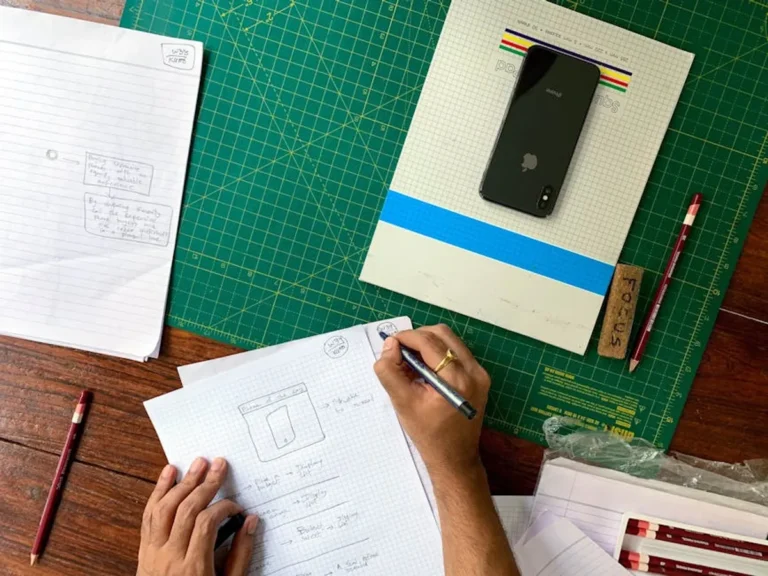

Preparing design files for developers is not merely about handing over finished visuals; it is about facilitating efficient, accurate implementation. The goal is to provide developers with every necessary asset, specification, and instruction to translate a design vision into a functional product without ambiguity or unnecessary back-and-forth. This process requires a structured approach, understanding developer needs, and leveraging appropriate tools to streamline communication and asset delivery. A well-prepared design handover reduces development time, minimizes errors, and ensures the final product closely matches the intended user experience and visual aesthetics.
Understanding Developer Requirements
Effective design handover begins with recognizing what developers need to build a functional interface. Their primary concerns revolve around precision, performance, and maintainability. Designers must anticipate these needs to provide relevant information proactively.
Responsive Design Considerations
Developers require clear guidance on how designs adapt across various screen sizes and device types. This includes breakpoints, element scaling, content reflow, and specific interactions for mobile versus desktop. Providing designs for key breakpoints (e.g., mobile, tablet, desktop) or a fluid design system with clear scaling rules is essential. Explicit instructions for elements that hide, show, or transform at different sizes prevent guesswork.
Accessibility Standards
Incorporate accessibility requirements directly into design specifications. Developers need to know about color contrast ratios, focus states for interactive elements, alternative text for images, and semantic HTML structure. Documenting these aspects upfront ensures the developed product is usable by a wider audience and meets compliance standards.
Performance and Asset Optimization
Large file sizes or inefficient assets directly impact load times. Developers need optimized images, fonts, and other media. This means providing assets in appropriate formats (e.g., SVG for vector graphics, WebP/PNG for raster images) and at the correct resolutions, often with clear instructions for compression or lazy loading.
Choosing the Right Tools and Formats
The selection of design tools and file formats directly impacts the ease of developer handoff. Tools that offer robust export options and integrated specification features are preferable.
Vector Graphics Software
For icons, logos, and illustrations, vector-based formats are critical.
Best for: Scalability without loss of quality, smaller file sizes, and ease of manipulation by developers (e.g., for color changes via CSS).
Exporting these as SVG (Scalable Vector Graphics) files allows developers to implement them efficiently, ensuring crisp visuals on any display resolution. Provide SVGs clean of unnecessary layers or hidden elements.
Raster Image Editors
For photographs or complex bitmap graphics, raster formats are necessary.
Best for: Photographic content, complex textures.
Provide images in optimized formats like WebP (for modern browsers) or PNG (for transparency and broad compatibility), ensuring appropriate dimensions and compression levels. Avoid embedding text in raster images that should be selectable or translated.
Prototyping and Specification Tools
Many design tools now include features for generating design specifications, often referred to as "inspect mode" or "developer handoff" features. These tools automatically extract CSS properties, dimensions, colors, and font information directly from design files.
Benefit: Reduces manual specification writing, minimizes errors, and provides developers with a direct reference to design values.
Organizing Your Design Files
A structured file system within your design project is paramount for clarity and maintainability.
- Logical Page Structure: Group related screens or components together. Use clear naming conventions for pages, artboards, and frames (e.g., "Homepage - Desktop," "Product Page - Mobile," "Login Flow - Step 1").
- Component Library: Establish and utilize a consistent component library. This allows developers to build reusable UI elements and ensures design consistency across the project. Document component states (e.g., default, hover, active, disabled).
- Asset Folders: Create dedicated folders for different asset types (e.g., "icons," "images," "illustrations"). This prevents developers from sifting through unorganized files.
Annotation and Documentation
Beyond the visual files, clear documentation clarifies intent and behavior that visuals alone cannot convey.
Interactive Specifications
Use annotation tools within your design software or external documentation platforms to add notes directly to design elements. These notes should cover:
- Interaction Details: How elements behave on hover, click, or focus.
- Animation Specifications: Duration, easing, and specific triggers for transitions.
- Edge Cases: How designs handle empty states, error messages, or long content strings.
- Conditional Logic: What happens when certain user actions or data conditions are met.
Style Guides and Design Systems
A comprehensive style guide or design system is invaluable. It centralizes all design decisions, including typography scales, color palettes (with hex codes, RGB, and ideally HSL values), spacing guidelines, and component usage rules. This serves as a single source of truth for both designers and developers.
Pro Tip: Do not rely solely on visual cues for critical information. Explicitly document any design aspect that could be misinterpreted or is not immediately obvious from the visual mockups. This includes specific font weights, line heights, and padding values that might appear subtle but are crucial for pixel-perfect implementation.
Asset Export and Naming Conventions
The way assets are exported and named directly impacts developer workflow.
Consistent Naming
Adopt a clear and consistent naming convention for all exported assets. This makes files easily searchable and understandable. For example, icon-arrow-left.svg, btn-primary-hover.png, img-hero-desktop.webp. Avoid generic names like image1.png.
Multiple Resolutions and Formats
For raster images, export assets at 1x, 2x, and sometimes 3x resolutions to support high-density displays. Provide various formats where appropriate (e.g., both SVG and PNG fallback for icons if browser support is a concern). Ensure all assets are optimized for web use, stripping unnecessary metadata.
Version Control and Handoff
Managing changes and delivering files effectively prevents confusion and rework.
Centralized Handoff Point
Use a centralized platform for design handoff. This could be a dedicated design collaboration tool, a shared cloud drive, or a project management system. Ensure all stakeholders have access to the latest versions.
Clear Versioning
Implement a version control system for design files. Label iterations clearly (e.g., v1.0, v1.1-feedback, v2.0-final) and communicate changes explicitly. Avoid sending multiple unversioned files via email, which leads to confusion about the authoritative version.
Communication Best Practices
Even with meticulous preparation, direct communication remains vital.
Schedule a dedicated design handoff meeting to walk developers through the designs, explain key interactions, and answer initial questions. Follow up with regular check-ins during the development phase to address any emerging issues or clarification needs. Maintain an open channel for questions and feedback, fostering a collaborative environment rather than a transactional one.
Streamlining Design Implementation
Effective preparation of design files for developers is an investment that yields significant returns in project efficiency and product quality. By understanding developer needs, utilizing appropriate tools, maintaining meticulous organization, and fostering clear communication, designers can significantly streamline the implementation phase. This proactive approach minimizes ambiguity, reduces iteration cycles, and ultimately leads to a more accurate and polished final product that aligns with the initial design vision.
Frequently Asked Questions
What is the most critical information to include in a design handoff?
The most critical information includes responsive behaviors, interactive states (hover, active, disabled), specific typography and color values (hex, RGB), spacing rules (padding, margin), and clear asset specifications (format, resolution, naming). Any unique animations or complex interactions also require explicit documentation.
Should I provide raw design files to developers?
Generally, no. Developers typically need exported assets and design specifications, not the editable source files. Providing raw files can lead to confusion if they attempt to extract assets incorrectly or modify designs. Use dedicated handoff features within design tools or export optimized assets.
How can I ensure consistency between design and development?
Establish a shared design system or style guide that both designers and developers reference. Regular communication, dedicated handoff meetings, and using tools that generate code snippets or specifications directly from designs help maintain consistency. Continuous feedback loops during development are also crucial.
What if a design changes during development?
Communicate changes immediately and provide updated files with clear versioning. Document the specific changes made and their impact. Avoid making minor, undocumented tweaks, as this can lead to discrepancies and rework.