
Transforming a nascent idea into a concrete website mockup is a critical step for any digital project, moving beyond abstract concepts to a tangible blueprint. This process is not merely about aesthetics; it's about defining user experience, validating functionality, and aligning stakeholder expectations before committing significant development resources. A well-executed mockup clarifies the project scope, identifies potential usability issues early, and provides a visual communication tool for developers, designers, and business owners. It’s the bridge between a business objective and a functional, user-centric website, ensuring commercial viability and reducing costly revisions down the line.
Defining the Core Vision and Audience
Before any visual elements are considered, articulate the fundamental purpose of the website. This involves identifying the primary problem it solves or the value it delivers. A clear understanding of the target audience is paramount: who are they, what are their needs, and what actions do you want them to take? This initial phase establishes the foundational requirements that will guide all subsequent design decisions. Without this clarity, the mockup risks becoming a collection of visually appealing but functionally misaligned components.
- Identify Core Objectives: What is the website's main goal? (e.g., lead generation, e-commerce sales, information dissemination, community building).
- Define Target User Personas: Create detailed profiles of your ideal users, including their demographics, motivations, pain points, and digital proficiency.
- Outline Key Features and Functionality: List the essential tools, content types, and interactive elements required to meet the core objectives and user needs.
- Establish Success Metrics: Determine how the website's performance will be measured (e.g., conversion rates, time on page, bounce rate).
Structuring Content: Information Architecture and User Flows
Information Architecture (IA) dictates how content is organized and navigated, directly impacting user experience and findability. Begin by mapping out the site's structure, typically with a sitemap that details all main pages and sub-pages. This hierarchical representation ensures logical grouping of content and identifies potential navigation challenges. Concurrently, define user flows – the step-by-step paths users will take to complete specific tasks on the site. This might include a purchase process, a sign-up journey, or finding specific information. Visualizing these paths helps uncover friction points and optimizes the user journey for efficiency.
Best for: Ensuring intuitive navigation and content discoverability.
Sketching the Blueprint: Low-Fidelity Wireframing
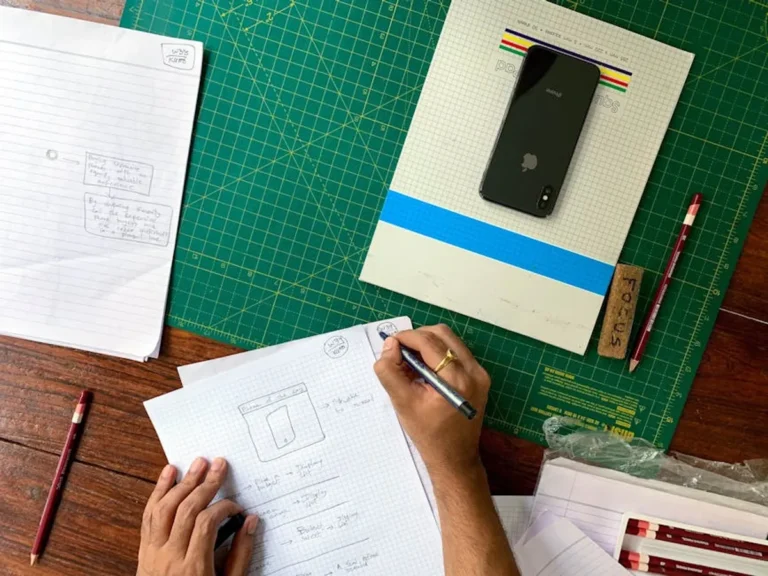
Wireframing is the process of creating a basic visual guide for a webpage's structure and layout. At this low-fidelity stage, the focus is exclusively on functionality, content prioritization, and spatial allocation, not visual design. Use simple shapes, lines, and placeholder text to represent elements like headers, navigation menus, content blocks, images, and calls-to-action. These initial sketches can be done with pen and paper or basic digital tools. The goal is to quickly iterate on different layouts and content arrangements without getting sidetracked by colors or fonts. This phase is crucial for testing the logical flow and hierarchy of information.
Pro Tip: Resist the urge to add color, specific fonts, or detailed imagery during low-fidelity wireframing. The primary objective is to validate the structural integrity and functional layout. Premature visual detailing can distract from core usability issues and lead to wasted effort if fundamental structural changes are required later.
Adding Interactivity: From Wireframe to Prototype
A prototype builds upon the wireframe by adding interactivity, transforming static layouts into clickable, navigable experiences. This mid-fidelity stage allows stakeholders and potential users to interact with the website's proposed functionality. Elements like buttons become clickable, forms become fillable, and navigation menus become functional. Prototyping helps simulate the user experience, allowing for early testing of user flows and identification of usability issues. It bridges the gap between a static layout and a fully functional website, providing a more realistic sense of how the final product will behave.
Focus on: Simulating user interactions and testing navigation paths.
Refining the Visuals: Creating High-Fidelity Mockups
High-fidelity mockups are the detailed visual representations of your website, incorporating all design elements. This is where branding comes alive, with specific colors, typography, imagery, icons, and UI components applied to the prototype's structure. The goal is to create a pixel-perfect rendition that closely resembles the final product. This stage requires attention to detail in visual hierarchy, spacing, alignment, and overall aesthetic appeal. High-fidelity mockups serve as the final design specification for developers, ensuring that the visual execution aligns precisely with the intended user experience and brand identity.
Key elements:
- Color Palette: Apply brand-specific colors consistently.
- Typography: Select and implement fonts for headings, body text, and UI elements.
- Imagery and Icons: Integrate relevant images, illustrations, and icons.
- UI Components: Design detailed buttons, forms, navigation elements, and other interactive components.
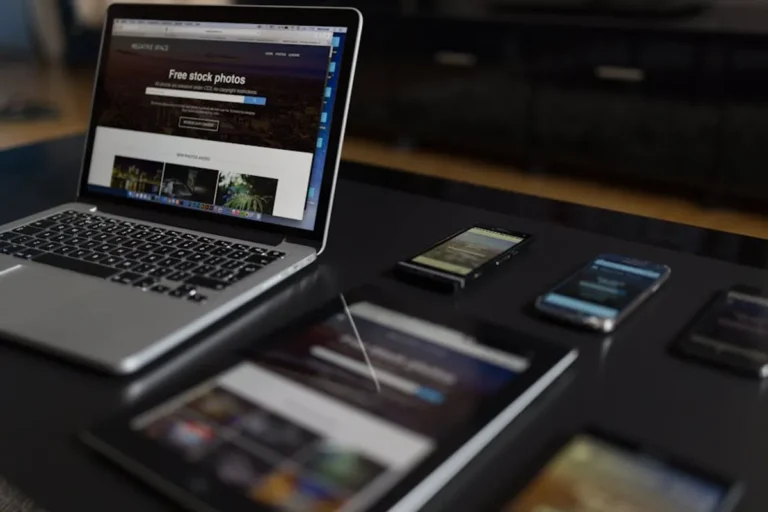
- Responsive Design: Consider how the mockup will adapt to different screen sizes (desktop, tablet, mobile).
Testing and Iteration for Commercial Viability
Once high-fidelity mockups are complete, rigorous testing with target users and internal stakeholders is essential. User testing reveals how real users interact with the design, uncovering unexpected behaviors, points of confusion, or areas of delight. Gather feedback on ease of use, clarity of content, and overall aesthetic appeal. Stakeholder reviews ensure that the design aligns with business objectives and technical constraints. This feedback loop is critical for identifying necessary revisions and iterating on the design. The goal is not just a visually pleasing product, but one that effectively serves its commercial purpose and user needs.
Finalizing Your Website Mockup
The culmination of these steps results in a comprehensive website mockup package. This package typically includes the high-fidelity visual designs, detailed specifications for responsive behavior, and any necessary annotations explaining interactive elements or specific design choices. This complete set of deliverables acts as the definitive guide for the development team, minimizing ambiguities and ensuring that the final coded product accurately reflects the approved design. A well-prepared mockup package streamlines the development process, reduces rework, and ultimately contributes to a more successful website launch.
Frequently Asked Questions
What is the primary difference between a wireframe and a mockup?
A wireframe focuses on the structural layout and functional elements of a page using simple shapes and placeholders, prioritizing content hierarchy and user flow. A mockup, in contrast, is a high-fidelity visual representation that includes all design details like colors, typography, imagery, and branding, showing exactly how the final website will look.
Why is it important to create a prototype before a final mockup?
Prototyping adds interactivity to wireframes, allowing you to simulate the user experience and test navigation paths without committing to full visual design. This step helps identify and resolve usability issues and refine user flows early, saving significant time and resources compared to making changes after a detailed mockup is complete.
How does a website mockup benefit the development process?
A detailed website mockup provides developers with clear visual specifications for every page and component. This reduces ambiguity, ensures the final product aligns with the design vision, and minimizes the need for extensive revisions during the coding phase, leading to a more efficient and cost-effective development cycle.
Can I create a website mockup without specialized design software?
Yes, low-fidelity wireframes can be created with pen and paper or basic drawing tools. For mid-to-high-fidelity mockups and prototyping, dedicated design software offers more advanced capabilities for precision, collaboration, and creating interactive elements. However, the initial conceptualization phase does not strictly require complex tools.