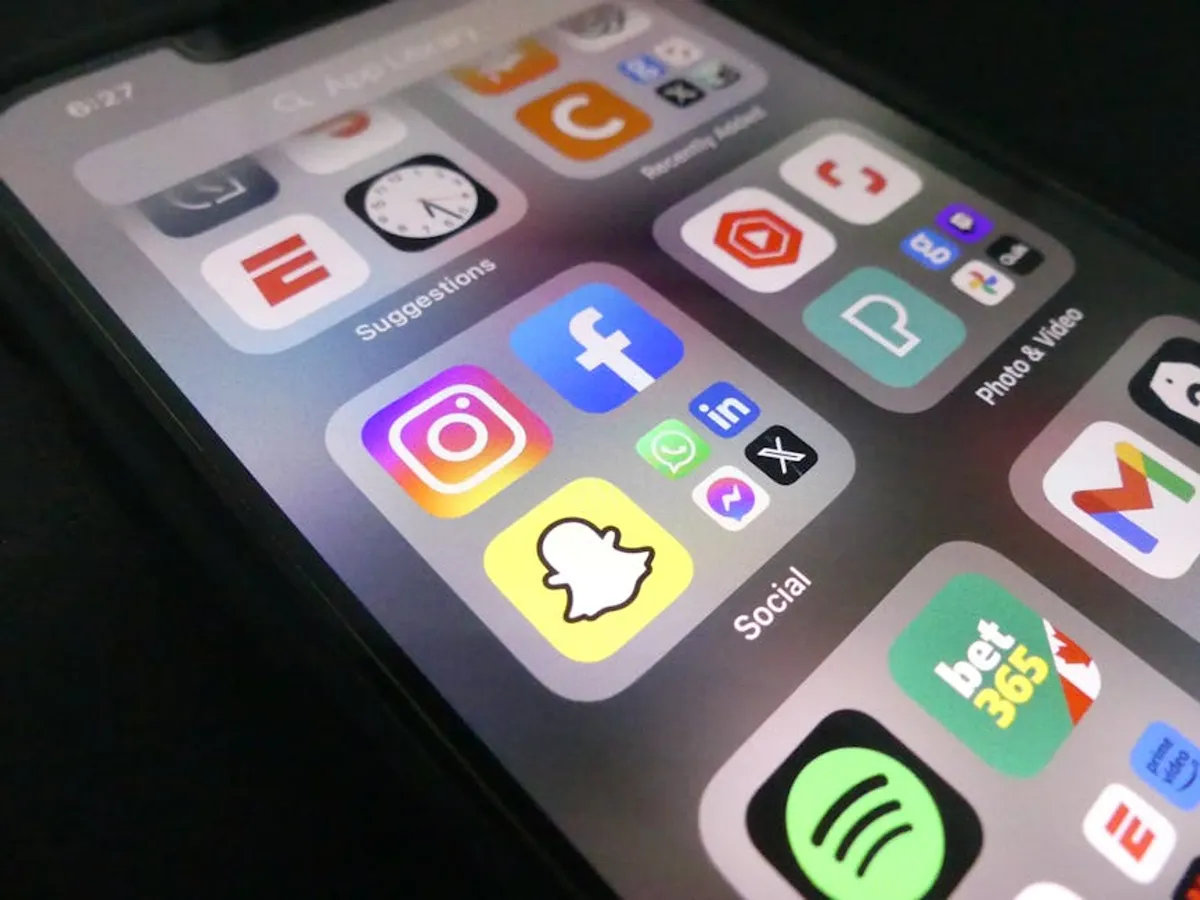
Snapchat's Planet Order feature provides a unique, personalized layer to friendship profiles, illustrating astrological compatibility between users. This system, based on birth data, assigns planetary positions to each friend, offering insights into their relationship dynamics. For many, it's a fun, engaging way to understand connections within the Snapchat ecosystem, adding depth beyond simple messaging and photo sharing.
However, the digital landscape offers a wide array of social platforms, each with distinct approaches to connection, profile expression, and community building. While Snapchat Planet Order provides a specific astrological lens, users often seek alternatives for various reasons: a desire for different social interaction models, enhanced privacy controls, more diverse content sharing options, or platforms that prioritize specific types of community engagement or relationship insights. For those interested in the astrological aspects, understanding the Snapchat planets feature offers a unique way to explore these dynamics further.
Understanding these motivations is key to evaluating alternatives. This guide explores platforms that offer distinct social experiences, whether through unique profile customization, specialized community tools, or novel ways to foster connection and understanding among users.
What to Look For in an Alternative
When considering alternatives to the social and profile-centric aspects of Snapchat Planet Order, evaluate platforms based on these criteria:
- Unique Profile Customization: Does the platform allow for expression beyond basic biographical information? Look for features that enable users to personalize their profiles with specific interests, content, or interactive elements that reflect their personality or relationships.
- Social Interaction Dynamics: How does the platform facilitate connection? Some focus on one-to-one messaging, others on group discussions, public broadcasting, or niche community building. Consider which interaction style best suits your needs for connecting with friends or new communities.
- Relationship Insights or Gamification: While not every platform offers astrological compatibility, some provide other unique ways to understand or deepen connections. This could include shared interest matching, interactive quizzes, or features that highlight mutual connections or activities.
- Privacy and Control: Assess the level of control users have over their data, content visibility, and interactions. Strong privacy settings are crucial for managing your digital presence and ensuring comfortable engagement.
- Content Sharing Formats: Beyond ephemeral photos, what other types of media can be shared? Platforms vary in their support for long-form text, video, audio, links, or specialized content types, influencing how you can express yourself.
- Community Features: If connecting with groups or niche interests is a priority, look for platforms with robust community tools like dedicated channels, forums, event planning, or moderation capabilities.
1. TikTok
TikTok has transformed social media into a short-form video powerhouse, driven by an algorithmic "For You" page that delivers highly personalized content. While it doesn't offer direct astrological compatibility like Snapchat Planet Order, its core strength lies in fostering connection through shared interests and trends. Users express themselves through creative video content, often participating in challenges and using trending sounds, which builds communities around specific niches and aesthetics. Profile pages serve as personal portfolios of creativity, showcasing a user's unique content and engagement patterns.
Key Features: Short-form video creation and editing tools, algorithmic "For You" page for content discovery, duet and stitch features for collaborative content, live streaming, direct messaging, robust sound and effect libraries, creator monetization tools.
Pricing: Free to use; in-app purchases for virtual gifts during live streams.
Best For: Creative expression through video, discovering new trends, building communities around shared interests, reaching a broad audience, and engaging with highly personalized content feeds.
Pros:
- Exceptional content discovery algorithm keeps engagement high.
- Low barrier to entry for content creation, fostering widespread participation.
- Strong community building around specific niches and trends.
- Diverse tools for creative expression, including effects, sounds, and editing.
Cons:
- Concerns regarding data privacy and security due to its ownership.
- Content can be highly addictive, leading to significant screen time.
- Challenges with content moderation and the prevalence of misinformation.
- Ephemeral nature of trends means content relevance can be short-lived.
2. Instagram
Instagram centers on visual storytelling, providing a platform for sharing photos and videos through feeds, Stories, Reels, and direct messages. While it lacks an explicit compatibility feature, Instagram fosters connection through curated aesthetics, shared experiences, and direct interaction. Users build personal brands or connect with friends by showcasing their lives, interests, and creative output. The platform's "Close Friends" feature allows for more intimate sharing, and collaborative content options like co-authored posts facilitate shared experiences, indirectly reflecting relationship dynamics.
Key Features: Photo and video sharing (feed, Stories, Reels), direct messaging, live streaming, "Close Friends" list, shopping features, professional dashboards for creators and businesses, collaborative posts, Guides for curated content.
Pricing: Free to use.
Best For: Visual content creation and sharing, personal branding, discovering trends in fashion/lifestyle/art, connecting with friends through shared visual experiences, and building a curated online presence.
Pros:
- Strong focus on high-quality visual content, appealing to creative users.
- Diverse content formats (Stories, Reels, Feed) cater to different sharing styles.
- Large user base facilitates broad connection and audience reach.
- "Close Friends" feature allows for more private and intimate sharing.
Cons:
- Can foster a culture of comparison and unrealistic portrayals of life.
- Algorithmic feed changes can make organic reach challenging for some users.
- Significant advertising presence can interrupt user experience.
- Concerns about data privacy and the platform's extensive data collection.
3. Discord
Discord is a communication platform built around communities, known as "servers." Unlike the individual-centric approach of many social apps, Discord emphasizes group interaction and niche interests. Each server can be highly customized with text and voice channels, roles, and permissions, allowing for structured discussions, real-time collaboration, and event hosting. While it doesn't offer explicit compatibility features, the very act of joining and engaging in specific servers creates connections based on shared passions, effectively building communities around mutual interests rather than astrological alignments.
Key Features: Voice and text channels, server customization with roles and permissions, screen sharing, video calls, direct messaging, bots for automation and entertainment, community discovery, stage channels for audio events.
Pricing: Free to use; Nitro subscription offers enhanced features like custom emojis, higher quality streaming, and larger file uploads (starting at $9.99/month).
Best For: Building and joining niche communities, real-time voice and text communication, collaborative projects, gaming groups, and structured discussions around specific topics.
Pros:
- Highly customizable servers cater to diverse community needs and structures.
- Excellent for real-time voice communication, especially for gaming and collaboration.
- Strong privacy controls within servers, allowing for private or public communities.
- Bots enhance functionality, offering moderation, entertainment, and utility.
Cons:
- Interface can be overwhelming for new users due to its extensive features.
- Managing large servers requires significant moderation effort.
- Risk of encountering toxic communities if not properly moderated.
- Primarily text and voice-based, less emphasis on visual content sharing.
4. Telegram
Telegram is a cloud-based messaging app renowned for its focus on speed, security, and extensive features beyond basic chat. It supports large group chats, channels for broadcasting to unlimited audiences, and powerful bots that extend functionality for everything from games to task automation. While it lacks a direct compatibility feature, Telegram fosters connection through shared interests in large public or private communities via channels and groups. Its emphasis on privacy through end-to-end encryption for secret chats and robust data handling practices appeals to users seeking more control over their communications.
Key Features: Encrypted private and group chats, channels for broadcasting, self-destructing messages, large file sharing, voice and video calls, animated stickers, bots platform, folder organization for chats, message scheduling.
Pricing: Free to use; Telegram Premium offers enhanced features like larger file uploads, faster downloads, and exclusive stickers (starting at $4.99/month).
Best For: Secure and private messaging, managing large group communications, broadcasting information to a wide audience, utilizing bots for various tasks, and users prioritizing speed and feature richness in a messaging app.
Pros:
- Strong emphasis on privacy and security with optional end-to-end encryption.
- Supports very large groups and channels for broad communication.
- Extensive features including bots, large file sharing, and message scheduling.
- Cloud-based sync allows seamless access across multiple devices.
Cons:
- End-to-end encryption is not default for all chats, requiring manual activation for "Secret Chats."
- Can be a platform for misinformation due to its open channel structure and lack of strict moderation.
- Less focus on visual or ephemeral content compared to other social apps.
- Discovery of new channels and groups can be less intuitive than algorithmic feeds.
5. BeReal
BeReal offers a distinct counter-narrative to the curated perfection often seen on other social platforms. It prompts users once a day, at a random time, to capture and share an unedited photo using both front and back cameras simultaneously. The goal is authenticity and spontaneity, encouraging users to share their real-time activities without filters or retakes. This approach fosters a different kind of connection, one based on shared, unpolished moments, effectively creating a daily snapshot of friends' genuine lives. While not about astrological compatibility, it builds understanding through shared vulnerability and real-world context.
Key Features: Daily random prompt for dual-camera photo capture, no filters or editing allowed, time-limited posting window, emoji reactions with custom selfies, "Discovery" feed for public posts.
Pricing: Free to use.
Best For: Authentic and spontaneous sharing with close friends, reducing social media pressure, fostering genuine connections based on real-time experiences, and users seeking an alternative to curated feeds.
Pros:
- Promotes authenticity and reduces the pressure of perfectionism in social media.
- Unique daily prompt encourages consistent, unedited engagement.
- Fosters a sense of shared experience and real-time connection among friends.
- Simple, minimalist interface reduces distractions and complexity.
Cons:
- Limited functionality beyond the daily photo, potentially leading to lower long-term engagement for some.
- The random posting window can be inconvenient for users with busy or structured schedules.
- Smaller user base compared to larger social networks, limiting broader connections.
- Lacks advanced features for content creation, editing, or community management.
6. Co-Star
Co-Star is an astrology app that provides personalized horoscopes, birth chart analyses, and, crucially, social features that allow users to connect with friends and compare their astrological compatibility. It directly addresses the desire for relationship insights akin to Snapchat Planet Order, but with a deeper, more detailed astrological framework. Users input their birth details to generate comprehensive charts, then can add friends to see "compatibility insights" and daily relationship dynamics based on planetary transits. It frames social connection through a cosmic lens, offering specific points of discussion and understanding.
Key Features: Personalized birth chart analysis, daily horoscopes, "friendship compatibility" reports, planetary transit updates, social feed for sharing insights, direct messaging with friends, "What's up with your signs?" feature for daily planetary influences.
Pricing: Free to use; in-app purchases for premium content or deeper insights (e.g., "Relationship Insights" for a one-time fee per pairing).
Best For: Users deeply interested in astrology for self-understanding and relationship dynamics, comparing compatibility with friends, daily astrological guidance, and a social experience built entirely around cosmic insights.
Pros:
- Provides detailed astrological insights and personalized readings.
- Directly offers compatibility analysis with friends, a core aspect of Planet Order.
- User-friendly interface makes complex astrological concepts accessible.
- Social features are integrated directly with astrological data, creating unique discussion points.
Cons:
- Reliance on accurate birth data (date, time, place) for precise readings.
- Focus on astrology may not appeal to all users seeking social connection.
- Social features are more limited compared to full-fledged social media platforms.
- Some users report a sometimes overly negative or prescriptive tone in readings.
7. The Pattern
The Pattern differentiates itself by focusing on psychological and emotional insights derived from birth data, rather than traditional astrological terminology. It provides highly personalized "Patterns" that describe personality traits, life cycles, and relationship dynamics, often with surprising accuracy. Its social component, "Connect," allows users to link with friends and partners to see their shared patterns, relationship dynamics, and "bond" insights. This offers a sophisticated, often profound, way to understand interpersonal connections, serving as an alternative to Planet Order for those seeking deeper psychological and relational understanding rather than just astrological labels.
Key Features: Personalized "World" and "Timing" patterns, "Bond" feature for relationship analysis with friends/partners, "Connect" social feed for shared insights, daily updates on current energies, custom groups for shared patterns.
Pricing: Free to use; premium features like "Deep Dive" or "Relationship" insights may be offered as in-app purchases or subscriptions.
Best For: Deep self-understanding and psychological insights, exploring relationship dynamics with friends and partners, users who appreciate a non-astrology-jargon approach to birth chart analysis, and discovering shared personality traits.
Pros:
- Provides remarkably accurate and insightful psychological profiles.
- "Bond" feature offers profound understanding of relationship dynamics.
- Avoids traditional astrological jargon, making it accessible to a broader audience.
- Focuses on personal growth and understanding, fostering deeper connections.
Cons:
- Requires accurate birth data for precise readings, similar to astrology apps.
- Social features are centered around insights, not general social interaction.
- Some users may find the insights too generic or lack actionable advice.
- The app's underlying methodology is proprietary, making it less transparent than traditional astrology.
How to Choose the Right Alternative
Selecting an alternative depends heavily on what aspects of "Snapchat Planet Order" or the broader Snapchat experience you prioritize. If your primary interest is creative self-expression and trend participation, TikTok or Instagram offer dynamic platforms for visual content and broad audience engagement. For those seeking structured community and real-time interaction around specific interests, Discord provides unparalleled customization and communication tools.
If privacy, secure communication, and robust group management are paramount, Telegram stands out with its feature-rich messaging and channel capabilities. For users craving authenticity and a departure from curated feeds, BeReal offers a refreshing, unedited daily connection experience. Finally, if the core appeal of Planet Order lies in deepening understanding of relationships through personalized insights, Co-Star and The Pattern provide sophisticated, data-driven approaches to compatibility, whether through direct astrology or psychological profiling. Evaluate each platform against your specific needs for connection, expression, and privacy to find the best fit.
Frequently Asked Questions
What is Snapchat Planet Order?
Snapchat Planet Order is a feature within Friendship Profiles that displays astrological compatibility between two friends based on their birth dates and times, showing how planetary positions influence their relationship dynamics.
Are there alternatives that offer direct astrological compatibility?
Yes, apps like Co-Star and The Pattern specialize in providing detailed astrological or psychological compatibility insights, often with social features that allow you to compare analyses with friends.
Can I find alternatives that focus on authentic, unedited sharing?
BeReal is specifically designed for authentic, spontaneous sharing, prompting users daily to capture and post unedited photos from their current moment using both phone cameras.
What if I'm looking for alternatives for community building around specific interests?
Discord is an excellent choice for building and joining niche communities, offering extensive customization for servers, voice and text channels, and robust moderation tools.
Are these alternatives free to use?
Most social media platforms, including the alternatives listed, are free to download and use, typically offering premium subscriptions or in-app purchases for enhanced features or virtual goods.
Do these alternatives have the same ephemeral content style as Snapchat?
While some platforms like Instagram Stories have ephemeral elements, others like TikTok focus on short-form video that can be permanent, and BeReal offers a daily, time-limited post that disappears from the main feed after 24 hours but can be saved to memories.
How do these alternatives handle user privacy?