
A designer or illustrator's portfolio serves as a primary commercial asset, not merely a gallery. Its effectiveness hinges on its ability to attract specific clients, articulate problem-solving capabilities, and ultimately convert interest into paid work. The strategic selection and presentation of projects within a portfolio directly influence the types of opportunities that arise. Instead of compiling every piece ever created, a commercially viable portfolio curates work to address client needs, demonstrate relevant skills, and differentiate the creator in a competitive market.
Niche-Focused Portfolio Development
Developing a portfolio with a specific niche in mind allows designers and illustrators to position themselves as specialists, appealing directly to clients seeking expertise in a particular industry or style. This approach moves beyond generalist presentations, which can dilute a creator's unique value proposition.
Targeting Specific Industries
Focusing on a single industry, such as FinTech UX/UI design, medical illustration, or editorial art for environmental publications, provides a clear signal to potential clients. A portfolio dedicated to FinTech, for example, might showcase user interfaces for banking apps, data visualization dashboards, or secure transaction flows. This demonstrates not only design prowess but also an understanding of industry-specific constraints, regulatory requirements, and user behaviors. Clients in these fields often prioritize specialized knowledge, reducing their perceived risk in hiring.
Best for: Designers and illustrators aiming for high-value contracts within specialized sectors where industry knowledge is a significant differentiator.
Showcasing a Distinctive Style or Medium
For illustrators, a niche can also revolve around a unique artistic style or mastery of a particular medium. A portfolio exclusively featuring detailed linework illustrations for scientific journals, or vibrant digital paintings for children's books, establishes a strong visual brand. This curation signals consistency and a refined skill set, making it easier for art directors or publishers to identify if the artist's aesthetic aligns with their project needs. The clarity of style helps clients envision the final product and reduces ambiguity in project scope.
Best for: Illustrators and artists with a highly developed personal style or expertise in a specific visual language.
Process-Oriented Portfolios
Beyond displaying finished work, a process-oriented portfolio reveals the journey from concept to completion. This approach builds trust by demonstrating critical thinking, problem-solving methodologies, and collaboration skills, which are often as important to clients as the final aesthetic.
Documenting the Design Journey
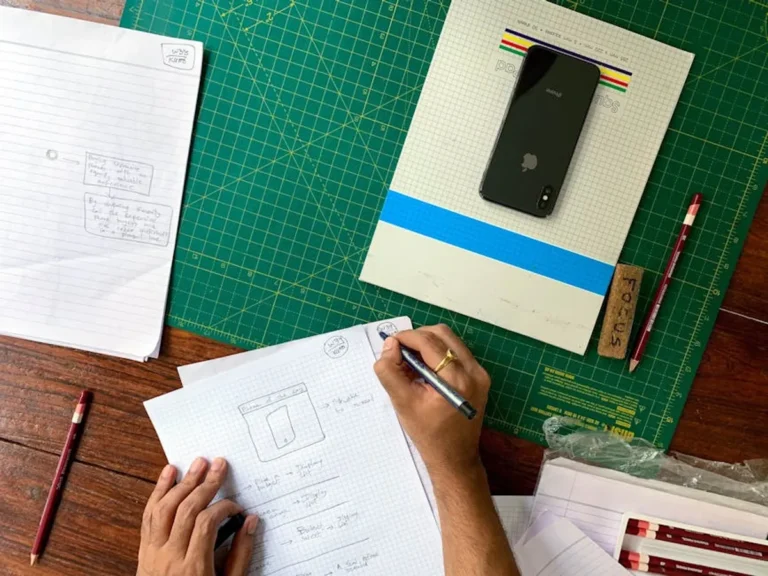
Each project entry should ideally include elements that illustrate the creative process. This might involve initial sketches, mood boards, wireframes, user flows, mock-ups, and iterations based on feedback. For illustrators, showing preliminary character studies, compositional thumbnails, or color palette explorations provides insight into their decision-making. Documenting these steps helps clients understand the value of the design process itself, justifying fees and fostering confidence in the designer's ability to navigate complex challenges. Including elements like initial sketches and wireframes helps clients visualize the project's progression and understand the design effort involved.
Key elements to include:
- Problem statement or client brief
- Research and discovery phases (e.g., user research, competitive analysis)
- Ideation and concept development (e.g., sketches, mood boards, mind maps)
- Iteration and refinement (e.g., multiple design options, feedback integration)
- Final solution and rationale
Integrating Client Feedback and Revisions
Demonstrating how client feedback was incorporated and led to improved solutions can be a powerful trust-building exercise. This doesn't mean showing every single revision, but rather highlighting key decision points where feedback shaped the outcome. For example, presenting an initial design and then a revised version with a brief explanation of *why* changes were made (e.g., "Adjusted layout for improved mobile readability based on user testing feedback") showcases adaptability and a client-centric approach.
Best for: Designers and illustrators seeking project-based work where collaboration and strategic thinking are paramount.
Case Study-Driven Portfolios
For commercial designers, moving beyond static images to full case studies transforms a portfolio from a display of art into a demonstration of business impact. This format directly addresses client concerns about return on investment and measurable outcomes.
Highlighting Project Challenges and Solutions
Each case study should clearly outline the initial challenge or problem the client faced. This sets the stage for the designer's intervention. Subsequently, detail the specific design solutions implemented and, crucially, the rationale behind those choices. For instance, explaining how a redesigned e-commerce checkout flow reduced cart abandonment by a certain percentage provides concrete value. This structure tells a story that resonates with business objectives.
Quantifying Impact and Results
Whenever possible, include quantifiable results. This could be increased conversion rates, improved user engagement metrics, reduced bounce rates, faster task completion times, or positive client testimonials. Even qualitative outcomes, such as "enhanced brand perception among target demographics," should be articulated clearly. Providing evidence of impact positions the designer as a strategic partner capable of delivering tangible business value, not just aesthetic improvements.
Best for: UX/UI designers, brand strategists, marketing designers, and anyone whose work directly influences business metrics.
Pro Tip: When curating your portfolio, always view it through the lens of your ideal client. What questions would they ask? What problems are they trying to solve? Each project should implicitly answer those questions, demonstrating how your skills align with their needs, rather than simply showcasing your personal preferences.
Optimizing Your Portfolio for Commercial Engagement
Beyond the content itself, the presentation and accessibility of your portfolio significantly influence its commercial effectiveness. A well-structured, easy-to-navigate site encourages engagement and facilitates client outreach.
User Experience and Accessibility
Ensure your portfolio website is intuitive to navigate. Clear categories, prominent calls to action (e.g., "Contact Me," "View Services"), and a responsive design that functions seamlessly across desktops, tablets, and mobile devices are non-negotiable. Slow loading times or broken links can deter potential clients immediately. Prioritize a clean layout that allows the work to speak for itself without unnecessary visual clutter.
Refining Your Personal Brand Statement
Your portfolio should reflect a consistent personal brand. This includes your visual identity (logo, color palette, typography) and your unique value proposition articulated in a concise "About Me" section or introductory statement. Clearly communicate your specialization, your approach to design, and what makes you different. This helps clients connect with you on a personal and professional level, fostering a stronger sense of trust and alignment.
Moving Forward with Your Portfolio
A portfolio is a dynamic tool requiring continuous refinement. Regularly review your work, update projects, and solicit feedback to ensure it remains a compelling representation of your evolving skills and aspirations. Focus on quality over quantity, always prioritizing projects that align with the type of work you want to attract next.
Frequently Asked Questions
How many projects should be in a professional portfolio?
Aim for 5-10 strong, well-documented projects. Quality and relevance outweigh quantity. Each project should demonstrate a distinct skill set or problem-solving approach relevant to your target clients.
Should I include personal projects in my portfolio?
Yes, if they showcase skills or styles you want to be hired for, especially if you lack client work in a desired niche. Clearly label them as personal projects and explain the goals or challenges you set for yourself.
How often should I update my portfolio?
Regularly, ideally every 3-6 months, or whenever you complete a significant project that better represents your current capabilities or desired direction. A fresh portfolio signals ongoing engagement and growth.
Is a physical portfolio still necessary?
While digital portfolios are primary, a small, curated physical portfolio can be impactful for in-person meetings or specific high-end clients. Ensure it's impeccably produced and only contains your absolute best and most relevant work.