
Effective logo design is not merely about aesthetics; it is a strategic commercial asset that communicates brand identity, values, and professionalism at a glance. For businesses and agencies, a well-conceived logo enhances memorability, builds trust, and differentiates offerings in a competitive market. Finding appropriate inspiration for such a critical visual element requires a structured approach that moves beyond simply browsing existing designs to understanding underlying principles and effective communication strategies. This guide outlines how to cultivate and apply meaningful inspiration to create logos that resonate with target audiences and support business objectives. To kickstart this process, consider finding great logo resources that offer diverse styles and inspiration.
Understanding Core Logo Design Principles
Before seeking inspiration, establish a foundational understanding of what makes a logo effective. These principles guide the selection and application of visual elements, ensuring the final design serves its commercial purpose.
Simplicity and Memorability
A simple logo is easier to recognize, recall, and reproduce. Overly complex designs can become cluttered, especially when scaled down for digital favicons or social media profiles. The goal is immediate recognition. Consider iconic logos that achieve global recognition with minimal elements; their power lies in their directness.
Versatility and Scalability
A logo must perform consistently across diverse applications, from a large billboard to a small app icon. This demands a design that maintains clarity and impact whether it's monochromatic, full-color, embossed, or animated. Vector-based designs are crucial for ensuring scalability without loss of resolution. Test designs early across various mockups: website headers, business cards, merchandise, and digital advertisements.
Relevance and Appropriateness
The logo should align with the brand's industry, target audience, and overall message. A playful, whimsical logo might suit a children's toy company, but would be inappropriate for a financial institution. The visual language—colors, fonts, imagery—must evoke the correct emotions and associations. This ensures the logo supports the brand narrative rather than contradicting it.
Timelessness
While trends offer fresh perspectives, relying too heavily on them can quickly date a logo, necessitating costly redesigns. Aim for a design that can endure for years, if not decades, by focusing on classic forms, balanced compositions, and universally understood symbols. Timelessness reduces the need for frequent rebranding, preserving brand equity and recognition over time.
Sources for Logo Design Inspiration
Inspiration is rarely found in isolation. A systematic exploration of diverse sources can broaden perspective and spark original ideas.
Industry-Specific Research
Examine logos within the client's direct and indirect competitive landscape. Analyze what works, what falls short, and what visual clichés to avoid. Look at market leaders for best practices in visual communication. Also, research the industry's history to understand traditional motifs and how they've evolved, identifying opportunities for modern reinterpretations or deliberate departures.
Non-Traditional Visual Cues
Expand your search beyond logos. Art, architecture, nature, cultural symbols, and even everyday objects can provide abstract forms, color palettes, and structural ideas. A building's facade might inspire a geometric pattern, or the flow of water could suggest an organic shape. This approach encourages unique interpretations rather than direct imitation of existing logos.
Design Communities and Portfolios
Platforms like Behance, Dribbble, and Awwwards showcase diverse design portfolios. These sites offer visual examples of current trends, creative solutions across various industries, and how designers approach different briefs. They can expose you to new styles, techniques, and presentation methods, helping you understand contemporary design language.
Best for: Understanding current design aesthetics and diverse interpretations of design briefs.
Typography and Color Theory
The choice of typeface and color palette profoundly impacts a logo's message. Explore type foundries for unique fonts that convey specific personalities—from modern and minimalist to classic and ornate. Study color psychology to understand how different hues evoke emotions and associations, ensuring the chosen palette reinforces the brand's intended message. A strong logo often relies heavily on its typographic treatment or a distinctive color combination.
Pro Tip: While seeking inspiration, document your sources and thought process. This helps differentiate genuine inspiration from unconscious imitation, safeguarding against accidental plagiarism and ensuring your final design is uniquely yours. Maintain a mood board or digital archive with notes on why specific elements resonated with your project.
The Iterative Design Process
Inspiration is the starting point; the design process transforms abstract ideas into a tangible, functional logo.
Sketching and Ideation
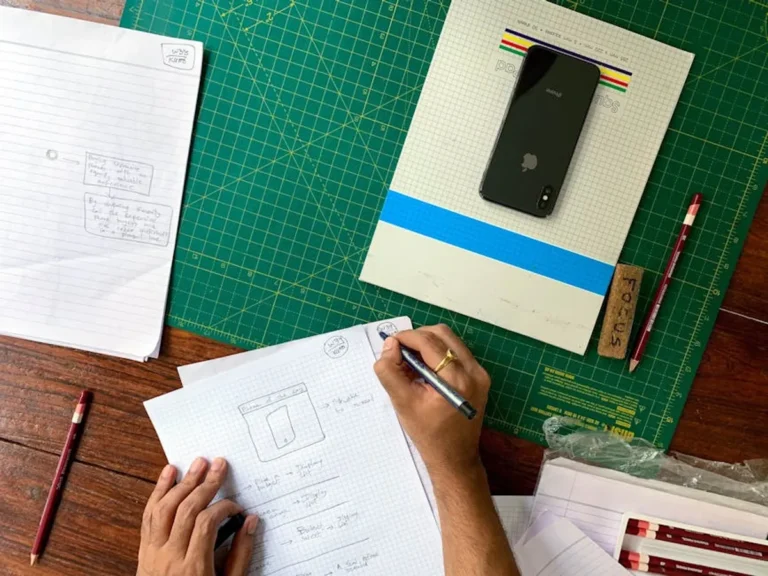
Begin with analog tools: paper and pencil. Rapid sketching allows for quick exploration of numerous concepts without the constraints of digital software. Focus on capturing basic forms, compositions, and symbolic representations. This phase is about quantity over quality, generating a wide array of possibilities before narrowing down to a few promising directions.
Digital Refinement
Translate the strongest sketches into vector graphics using professional design software. This stage involves precise shape construction, typography selection, and color application. Experiment with different variations, ensuring the design adheres to the principles of versatility and scalability. Pay close attention to negative space, line weight, and overall balance.
Feedback and Revision
Present initial concepts to stakeholders and target audience representatives. Gather constructive feedback on clarity, relevance, and emotional impact. Be prepared to iterate. Revisions are a crucial part of the process, ensuring the logo evolves to meet both aesthetic and commercial requirements. This collaborative approach helps refine the design to its most effective form.
Actionable Steps for Cultivating Design Inspiration
- Define the Brand Core: Clearly articulate the brand's mission, values, target audience, and unique selling proposition before seeking any visual input.
- Create a Thematic Mood Board: Collect images, textures, color palettes, and typography that evoke the desired brand feeling, even if they aren't logos themselves.
- Analyze Effective Logos: Deconstruct successful logos in various industries, identifying their core elements, use of color, typography, and how they communicate their brand message effectively.
- Step Away and Return: Take breaks from the design process. A fresh perspective can often reveal solutions or highlight issues that were previously overlooked.
- Experiment with Constraints: Sometimes, limiting options (e.g., using only two colors, or geometric shapes) can foster creative problem-solving and lead to unique outcomes.
Translating Inspiration into Distinctive Logos
The ultimate goal of seeking inspiration is to create a unique and impactful logo that serves a commercial purpose. By systematically exploring design principles, diverse visual sources, and employing a rigorous iterative process, designers and marketers can move beyond generic solutions. A well-designed logo is an investment in brand recognition, trust, and market differentiation, directly contributing to long-term business success. Focus on clarity, relevance, and enduring appeal to ensure your inspired design becomes a lasting asset. To achieve this, it's beneficial to explore key design principles that ensure visual coherence and impact.
Frequently Asked Questions
What is the primary purpose of a logo?
A logo's primary purpose is to serve as a unique visual identifier for a brand, facilitating instant recognition, communicating brand values, and differentiating it from competitors in the marketplace.
How can I avoid my logo looking generic or like a copy?
To avoid generic designs, focus on understanding the core principles of the brand, explore non-traditional sources of inspiration, and prioritize originality in concept development over direct imitation of existing logos. Emphasize unique combinations of elements rather than isolated trendy features.
How important is color in logo design inspiration?
Color is critically important in logo design as it evokes emotions, associations, and can significantly impact brand perception. Inspired color palettes should align with brand values and target audience psychology, contributing to the logo's overall message and memorability.
Should I follow current design trends when seeking logo inspiration?
While understanding current trends provides context, it is generally advisable to prioritize timelessness over fleeting trends. Incorporate contemporary elements subtly or in a way that aligns with enduring design principles to ensure the logo remains relevant and effective for years without requiring frequent redesigns.